Buy brusselkids.be ?
We are moving the project
brusselkids.be .
Are you interested in purchasing the domain
brusselkids.be ?
domain@kv-gmbh.de · 0541-91531010
Buy brusselkids.be ?
What are sigma and pi bonds in chemistry?
In chemistry, sigma and pi bonds are types of covalent bonds that hold atoms together in a molecule. A sigma bond is formed by the direct overlap of atomic orbitals, allowing for the free rotation of atoms around the bond axis. On the other hand, a pi bond is formed by the side-to-side overlap of p orbitals, which restricts the rotation of atoms around the bond axis. Both types of bonds are important for understanding the structure and properties of molecules. **
What are the differences between covalent bonds, metallic bonds, and ionic bonds?
Covalent bonds are formed when two atoms share electrons, resulting in a strong bond between the atoms. Metallic bonds occur between metal atoms, where the electrons are delocalized and free to move throughout the structure, creating a strong bond. Ionic bonds are formed between a metal and a nonmetal, where one atom transfers electrons to the other, resulting in the formation of positively and negatively charged ions that are attracted to each other. Overall, covalent bonds involve electron sharing, metallic bonds involve electron delocalization, and ionic bonds involve electron transfer. **


Similar search terms for Pi-bonds
Top-Angebote
Products related to Pi-bonds:
-
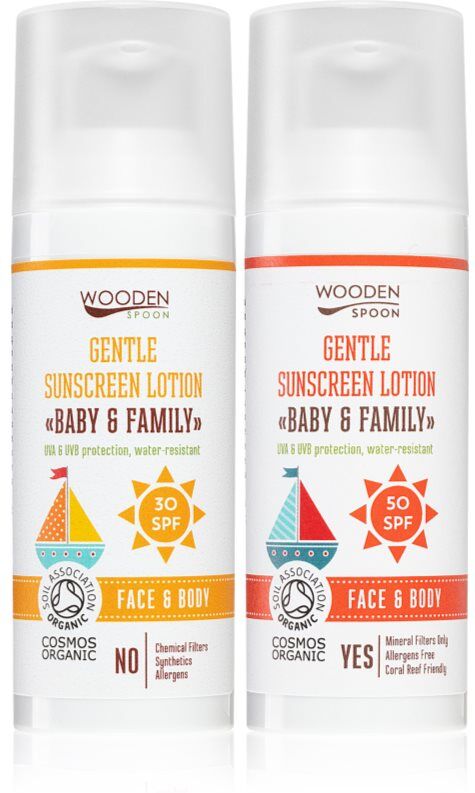
WoodenSpoon Baby & Family ensembleWoodenSpoon Baby & Family, 1 pcs, Produits solaires pour enfants pour femme, Découvrez un coffret pratique de produits qui embelliront votre quotidien. Le coffret WoodenSpoon Baby & Family facilite votre choix, en proposant une sélection de vos articles préférés, désormais réunis dans un seul et même emballage. L'ensemble contient: WoodenSpoon Baby & Family lait protecteur solaire pour toute la famille SPF 50 50.00 ml WoodenSpoon Baby & Family lait protecteur solaire SPF 30 50.00 ml Le produit : coffret à un prix avantageux protège contre les rayons UV nourrit et prend soin de la peau hydrate la peau de l’enfant s’absorbe facilement laisse une peau douce et souple Composition du produit : beurre de karité – nourrit, aide à retenir l'humidité, apporte douceur et souplesse, offre une protection contre le dessèchement et les agressions extérieures vitamine E : nourrit la peau, lui procure une protection antioxydante contre le vieillissement prématuré et les dommages causés par les radicaux libres, contribue à lisser les rides et à rendre la peau plus ferme et plus souple cire d’abeille : crée une couche protectrice imperméable sur la peau, la rend ainsi durablement douce, apaisée, nourrie et protégée des agressions extérieures, l’humidifie, l’empêche de se déshydrater et de s’abîmer, accélère sa régénération huile de coco – contient une grande quantité d'antioxydants, aide à prévenir les rides et le vieillissement prématuré de la peau, nourrit intensément, assouplit et favorise l'hydratation, la régénération et l'apaisement de la peau beurre de cacao – est riche en acides gras, nourrit intensément, hydrate et favorise l'élasticité de la peau, crée une barrière protectrice empêchant la perte d'humidité, présente des effets lissants Mode d’emploi : Suivez les instructions indiquées sur l’emballage.33,40 €*Shipping: 3,45 €Secure redirect to the provider
-
Fun Factory Fun Cup A Coupe menstruelle Black Currant 20 mlFun Factory Fun Cup A, 20 ml, Coupes menstruelles Une solution confortable et écologique pour vous sentir à l'aise durant vos journées. Remplacez les produits sanitaires jetables par une coupe menstruelle pratique et utilisez-la Fun Factory Fun Cup A autant de fois que vous le souhaitez. Le produit : une alternative écologique aux produits d'hygiène féminine facile à placer facile à nettoyer convient pour un usage répété s'adapte à l'anatomie du corps adapté aux rapports sexuels pratiqués durant les menstruations coloré silicone entretien facile sachet en textile fourni Mode d’emploi : Suivre les instructions fournies dans le mode d’emploi. Rincez toujours abondamment à l'eau claire.2,70 €*Shipping: 3,45 €Secure redirect to the provider


-
Do CO bonds form with other CO bonds?
No, CO bonds do not typically form with other CO bonds. Carbon monoxide (CO) is a stable molecule with a triple bond between the carbon and oxygen atoms. This triple bond is strong and does not readily form additional bonds with other CO molecules. Instead, CO molecules tend to interact with other types of molecules through various types of chemical reactions. **
-
Why are intermolecular bonds weaker than electron pair bonds?
Intermolecular bonds are weaker than electron pair bonds because they involve interactions between molecules rather than within a single molecule. In intermolecular bonds, the attractive forces between molecules are generally weaker than the covalent bonds that hold atoms together within a molecule. Additionally, intermolecular bonds are typically temporary and can be easily broken, whereas electron pair bonds are strong and stable. Overall, the weaker nature of intermolecular bonds allows molecules to move and interact with each other more freely. **
-
Why are intermolecular bonds generally weaker than covalent bonds?
Intermolecular bonds are generally weaker than covalent bonds because they involve interactions between molecules rather than within a single molecule. Covalent bonds involve the sharing of electrons between atoms, creating strong bonds within a molecule. In contrast, intermolecular bonds, such as hydrogen bonds or van der Waals forces, are weaker because they are based on temporary interactions between molecules, which can be easily broken. Additionally, intermolecular bonds are influenced by factors such as distance and orientation, further contributing to their weaker nature compared to covalent bonds. **
-
Why are intermolecular bonds typically weaker than covalent bonds?
Intermolecular bonds are typically weaker than covalent bonds because they involve interactions between molecules rather than within a single molecule. In intermolecular bonds, the attractive forces between molecules, such as van der Waals forces or hydrogen bonding, are weaker than the strong sharing of electrons in covalent bonds. Additionally, intermolecular bonds are more easily broken or disrupted by changes in temperature or pressure, leading to lower bond energies compared to covalent bonds. **


Why are intermolecular bonds generally weaker than electron pair bonds?
Intermolecular bonds are generally weaker than electron pair bonds because they involve interactions between molecules, which are larger and less localized than the interactions between atoms in a covalent bond. In intermolecular bonds, the attractive forces are typically weaker due to the larger distance between molecules and the lack of direct sharing of electrons. In contrast, electron pair bonds involve the sharing of electrons between atoms, leading to stronger and more localized bonding interactions. **
Why are polar bonds lower in energy than nonpolar bonds?
Polar bonds are lower in energy than nonpolar bonds because they involve the unequal sharing of electrons between two atoms with different electronegativities. This unequal sharing creates a dipole moment, which results in an attractive force between the partially positive and partially negative ends of the molecule. This electrostatic attraction lowers the overall energy of the molecule compared to nonpolar bonds, where electrons are shared equally. As a result, polar bonds are typically stronger and more stable than nonpolar bonds. **
Top-Angebote
Products related to Pi-bonds:
-
SKECHERS Baskets Play Scene - Fun SquadBaskets faciles à enfiler grâce aux lacets extensibles et à la sangle réglable sur le cou-de-pied.Détails produit • Usage sportswear • Talon plat • Fermeture : A lacets et à scratch • Tige en mesh avec superpositions pailletées • Semelle intermédiaire bien rembourrée avec des motifs ludiques et thématiques • Semelle extérieure souple et adhérente • Fermeture adaptative Skechers facile à enfiler et à retirer pour un ajustement personnalisé • Semelle intérieure coussinée et confortable • Lavable en machine • Logo Skechers® détaillé Composition et Entretien • Dessus/Tige : 55% polyuréthane, 45% polyester • Doublure : 100% polyester • Semelle intérieure : 100% polyester • Semelle extérieure : 100% eva27,96 €*Shipping: 3,99 €Secure redirect to the provider
-
WoodenSpoon Baby & Family ensembleWoodenSpoon Baby & Family, 1 pcs, Produits solaires pour enfants pour femme, Découvrez un coffret pratique de produits qui embelliront votre quotidien. Le coffret WoodenSpoon Baby & Family facilite votre choix, en proposant une sélection de vos articles préférés, désormais réunis dans un seul et même emballage. L'ensemble contient: WoodenSpoon Baby & Family lait protecteur solaire pour toute la famille SPF 50 50.00 ml WoodenSpoon Baby & Family lait protecteur solaire SPF 30 50.00 ml Le produit : coffret à un prix avantageux protège contre les rayons UV nourrit et prend soin de la peau hydrate la peau de l’enfant s’absorbe facilement laisse une peau douce et souple Composition du produit : beurre de karité – nourrit, aide à retenir l'humidité, apporte douceur et souplesse, offre une protection contre le dessèchement et les agressions extérieures vitamine E : nourrit la peau, lui procure une protection antioxydante contre le vieillissement prématuré et les dommages causés par les radicaux libres, contribue à lisser les rides et à rendre la peau plus ferme et plus souple cire d’abeille : crée une couche protectrice imperméable sur la peau, la rend ainsi durablement douce, apaisée, nourrie et protégée des agressions extérieures, l’humidifie, l’empêche de se déshydrater et de s’abîmer, accélère sa régénération huile de coco – contient une grande quantité d'antioxydants, aide à prévenir les rides et le vieillissement prématuré de la peau, nourrit intensément, assouplit et favorise l'hydratation, la régénération et l'apaisement de la peau beurre de cacao – est riche en acides gras, nourrit intensément, hydrate et favorise l'élasticité de la peau, crée une barrière protectrice empêchant la perte d'humidité, présente des effets lissants Mode d’emploi : Suivez les instructions indiquées sur l’emballage.33,40 €*Shipping: 3,45 €Secure redirect to the provider
-
Fun Factory Fun Cup A Coupe menstruelle Black Currant 20 mlFun Factory Fun Cup A, 20 ml, Coupes menstruelles Une solution confortable et écologique pour vous sentir à l'aise durant vos journées. Remplacez les produits sanitaires jetables par une coupe menstruelle pratique et utilisez-la Fun Factory Fun Cup A autant de fois que vous le souhaitez. Le produit : une alternative écologique aux produits d'hygiène féminine facile à placer facile à nettoyer convient pour un usage répété s'adapte à l'anatomie du corps adapté aux rapports sexuels pratiqués durant les menstruations coloré silicone entretien facile sachet en textile fourni Mode d’emploi : Suivre les instructions fournies dans le mode d’emploi. Rincez toujours abondamment à l'eau claire.2,70 €*Shipping: 3,45 €Secure redirect to the provider
-
What are sigma and pi bonds in chemistry?
In chemistry, sigma and pi bonds are types of covalent bonds that hold atoms together in a molecule. A sigma bond is formed by the direct overlap of atomic orbitals, allowing for the free rotation of atoms around the bond axis. On the other hand, a pi bond is formed by the side-to-side overlap of p orbitals, which restricts the rotation of atoms around the bond axis. Both types of bonds are important for understanding the structure and properties of molecules. **
-
What are the differences between covalent bonds, metallic bonds, and ionic bonds?
Covalent bonds are formed when two atoms share electrons, resulting in a strong bond between the atoms. Metallic bonds occur between metal atoms, where the electrons are delocalized and free to move throughout the structure, creating a strong bond. Ionic bonds are formed between a metal and a nonmetal, where one atom transfers electrons to the other, resulting in the formation of positively and negatively charged ions that are attracted to each other. Overall, covalent bonds involve electron sharing, metallic bonds involve electron delocalization, and ionic bonds involve electron transfer. **
-
Do CO bonds form with other CO bonds?
No, CO bonds do not typically form with other CO bonds. Carbon monoxide (CO) is a stable molecule with a triple bond between the carbon and oxygen atoms. This triple bond is strong and does not readily form additional bonds with other CO molecules. Instead, CO molecules tend to interact with other types of molecules through various types of chemical reactions. **
-
Why are intermolecular bonds weaker than electron pair bonds?
Intermolecular bonds are weaker than electron pair bonds because they involve interactions between molecules rather than within a single molecule. In intermolecular bonds, the attractive forces between molecules are generally weaker than the covalent bonds that hold atoms together within a molecule. Additionally, intermolecular bonds are typically temporary and can be easily broken, whereas electron pair bonds are strong and stable. Overall, the weaker nature of intermolecular bonds allows molecules to move and interact with each other more freely. **
Similar search terms for Pi-bonds
-
Why are intermolecular bonds generally weaker than covalent bonds?
Intermolecular bonds are generally weaker than covalent bonds because they involve interactions between molecules rather than within a single molecule. Covalent bonds involve the sharing of electrons between atoms, creating strong bonds within a molecule. In contrast, intermolecular bonds, such as hydrogen bonds or van der Waals forces, are weaker because they are based on temporary interactions between molecules, which can be easily broken. Additionally, intermolecular bonds are influenced by factors such as distance and orientation, further contributing to their weaker nature compared to covalent bonds. **
-
Why are intermolecular bonds typically weaker than covalent bonds?
Intermolecular bonds are typically weaker than covalent bonds because they involve interactions between molecules rather than within a single molecule. In intermolecular bonds, the attractive forces between molecules, such as van der Waals forces or hydrogen bonding, are weaker than the strong sharing of electrons in covalent bonds. Additionally, intermolecular bonds are more easily broken or disrupted by changes in temperature or pressure, leading to lower bond energies compared to covalent bonds. **
-
Why are intermolecular bonds generally weaker than electron pair bonds?
Intermolecular bonds are generally weaker than electron pair bonds because they involve interactions between molecules, which are larger and less localized than the interactions between atoms in a covalent bond. In intermolecular bonds, the attractive forces are typically weaker due to the larger distance between molecules and the lack of direct sharing of electrons. In contrast, electron pair bonds involve the sharing of electrons between atoms, leading to stronger and more localized bonding interactions. **
-
Why are polar bonds lower in energy than nonpolar bonds?
Polar bonds are lower in energy than nonpolar bonds because they involve the unequal sharing of electrons between two atoms with different electronegativities. This unequal sharing creates a dipole moment, which results in an attractive force between the partially positive and partially negative ends of the molecule. This electrostatic attraction lowers the overall energy of the molecule compared to nonpolar bonds, where electrons are shared equally. As a result, polar bonds are typically stronger and more stable than nonpolar bonds. **
* All prices are inclusive of VAT and, if applicable, plus shipping costs. The offer information is based on the details provided by the respective shop and is updated through automated processes. Real-time updates do not occur, so deviations can occur in individual cases. ** Note: Parts of this content were created by AI.