Buy brusselkids.be ?
We are moving the project
brusselkids.be .
Are you interested in purchasing the domain
brusselkids.be ?
domain@kv-gmbh.de · 0541-91531010
Buy brusselkids.be ?
What are demonstrative pronouns and relative pronouns?
Demonstrative pronouns are pronouns that are used to point to specific things or people. Examples of demonstrative pronouns include "this," "that," "these," and "those." Relative pronouns are pronouns that introduce dependent clauses and connect them to independent clauses. Examples of relative pronouns include "who," "whom," "whose," "which," and "that." **
Why are demonstrative pronouns called demonstrative pronouns?
Demonstrative pronouns are called demonstrative because they demonstrate or point to a specific noun or pronoun in a sentence. They help to indicate the position or location of the noun or pronoun in relation to the speaker or listener. By using demonstrative pronouns such as "this," "that," "these," and "those," speakers can make their communication more precise and clear by specifying which person, place, thing, or idea they are referring to. **

Similar search terms for Pronouns
Top-Angebote
Products related to Pronouns:
-
Fun Factory Fun Cup A Coupe menstruelle Black Currant 20 mlFun Factory Fun Cup A, 20 ml, Coupes menstruelles Une solution confortable et écologique pour vous sentir à l'aise durant vos journées. Remplacez les produits sanitaires jetables par une coupe menstruelle pratique et utilisez-la Fun Factory Fun Cup A autant de fois que vous le souhaitez. Le produit : une alternative écologique aux produits d'hygiène féminine facile à placer facile à nettoyer convient pour un usage répété s'adapte à l'anatomie du corps adapté aux rapports sexuels pratiqués durant les menstruations coloré silicone entretien facile sachet en textile fourni Mode d’emploi : Suivre les instructions fournies dans le mode d’emploi. Rincez toujours abondamment à l'eau claire.2,70 €*Shipping: 3,45 €Secure redirect to the provider
-
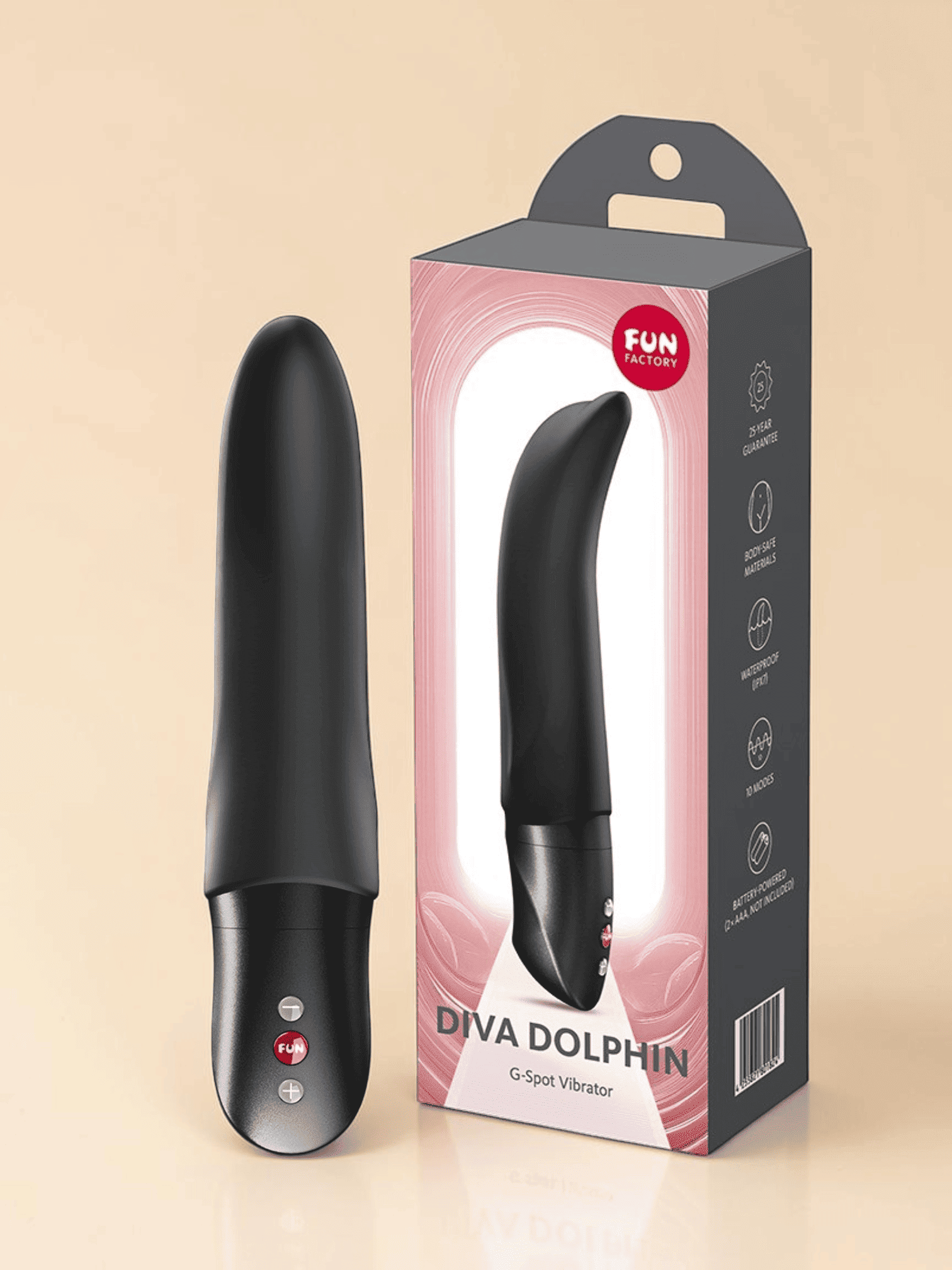
Fun Factory Diva DolphinFaites frémir vos sens avec le Diva Dolphin de Fun Factory. Compact, souple et prêt à suivre vos mouvements, ce vibromasseur mêle douceur et précision. Son design épuré attire l’œil. Et sa texture soyeuse glisse naturellement sur la peau.Souplesse et plaisir maîtrisé 🐬Le Diva Dolphin séduit par sa44,90 €*Shipping: 0,00 €Secure redirect to the provider
-
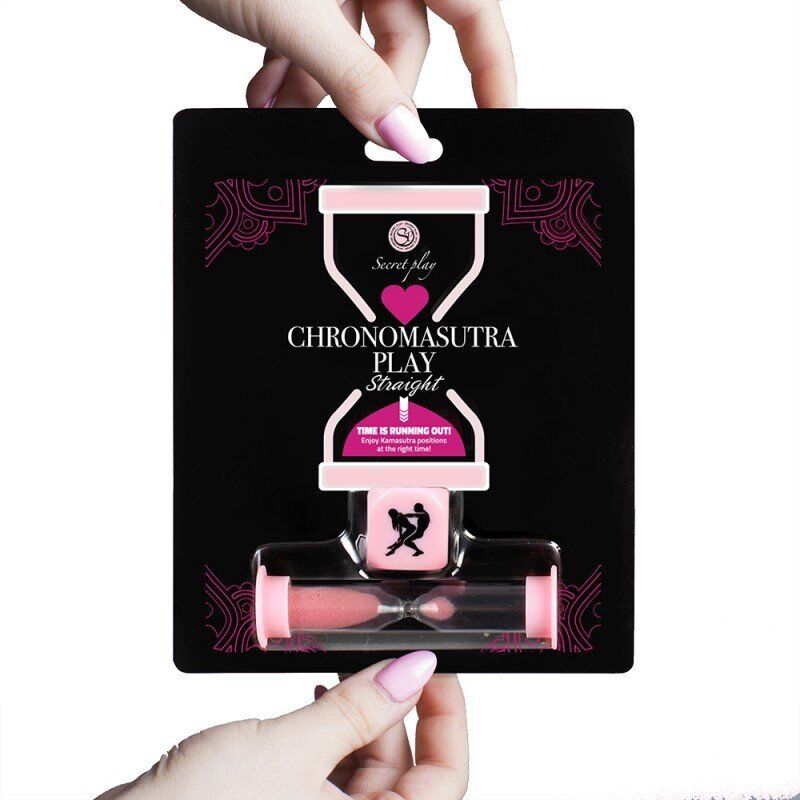
Secret Play Jeu Chronomasutra Play - HétéroSecouez les dés et laissez la passion décider. C’est simple, c’est joueur. Le Jeu Chronomasutra Play - Hétéro de Secret Play transforme chaque minute en un défi sensuel et complice. Ici, le plaisir se mesure au temps et à la créativité partagée.Un jeu pour les couples audacieux 💋Ce jeu coquin8,99 €*Shipping: 3,90 €Secure redirect to the provider


-
With which pronouns do many people confuse reflexive pronouns?
Many people confuse reflexive pronouns with personal pronouns. For example, they may use "myself" or "yourself" instead of "me" or "you" in a sentence. This confusion often occurs when people are trying to emphasize the subject of the sentence, but they mistakenly use a reflexive pronoun instead of a personal pronoun. It's important to understand the difference between reflexive and personal pronouns in order to use them correctly in sentences. **
-
What are pronouns?
Pronouns are words that are used in place of nouns to avoid repetition in a sentence. They can refer to people, places, things, or ideas. Pronouns help make sentences clearer and more concise by replacing specific nouns with general words like "he," "she," "it," "they," and "we." Using pronouns also helps to maintain the flow of writing and make it more engaging for the reader. **
-
Can you help me with personal pronouns and possessive pronouns?
Certainly! Personal pronouns are used to replace nouns in a sentence, such as "I", "you", "he", "she", "it", "we", and "they". Possessive pronouns show ownership or possession, such as "mine", "yours", "his", "hers", "ours", and "theirs". If you need help understanding how to use these pronouns in a sentence or identifying which pronoun to use in a specific context, feel free to ask for more guidance. **
-
What is the difference between relative pronouns and interrogative pronouns?
Relative pronouns are used to connect a dependent clause to an independent clause, providing more information about a noun in the independent clause. They include words like "who," "which," and "that." Interrogative pronouns, on the other hand, are used to ask questions and gather information. They include words like "who," "what," "which," "whom," and "whose." The main difference between the two is their function in a sentence - relative pronouns connect clauses, while interrogative pronouns are used to ask questions. **


What is the difference between personal pronouns and reflexive pronouns?
Personal pronouns are used to refer to people or things, such as "I," "you," "he," "she," "it," "we," and "they." Reflexive pronouns, on the other hand, are used when the subject and object of a sentence are the same person or thing, such as "myself," "yourself," "himself," "herself," "itself," "ourselves," and "themselves." Reflexive pronouns are used to reflect the action back onto the subject, while personal pronouns simply refer to the subject or object. **
Which pronouns do many people often confuse with reflexive pronouns?
Many people often confuse reflexive pronouns with intensive pronouns. Intensive pronouns are used to emphasize a preceding noun or pronoun, while reflexive pronouns are used when the subject and object of a sentence are the same. For example, "I myself will do it" uses an intensive pronoun, while "I hurt myself" uses a reflexive pronoun. It is important to understand the distinction between these two types of pronouns to use them correctly in sentences. **
Top-Angebote
Products related to Pronouns:
-
SKECHERS Baskets Play Scene - Fun SquadBaskets faciles à enfiler grâce aux lacets extensibles et à la sangle réglable sur le cou-de-pied.Détails produit • Usage sportswear • Talon plat • Fermeture : A lacets et à scratch • Tige en mesh avec superpositions pailletées • Semelle intermédiaire bien rembourrée avec des motifs ludiques et thématiques • Semelle extérieure souple et adhérente • Fermeture adaptative Skechers facile à enfiler et à retirer pour un ajustement personnalisé • Semelle intérieure coussinée et confortable • Lavable en machine • Logo Skechers® détaillé Composition et Entretien • Dessus/Tige : 55% polyuréthane, 45% polyester • Doublure : 100% polyester • Semelle intérieure : 100% polyester • Semelle extérieure : 100% eva39,95 €*Shipping: 3,99 €Secure redirect to the provider
-
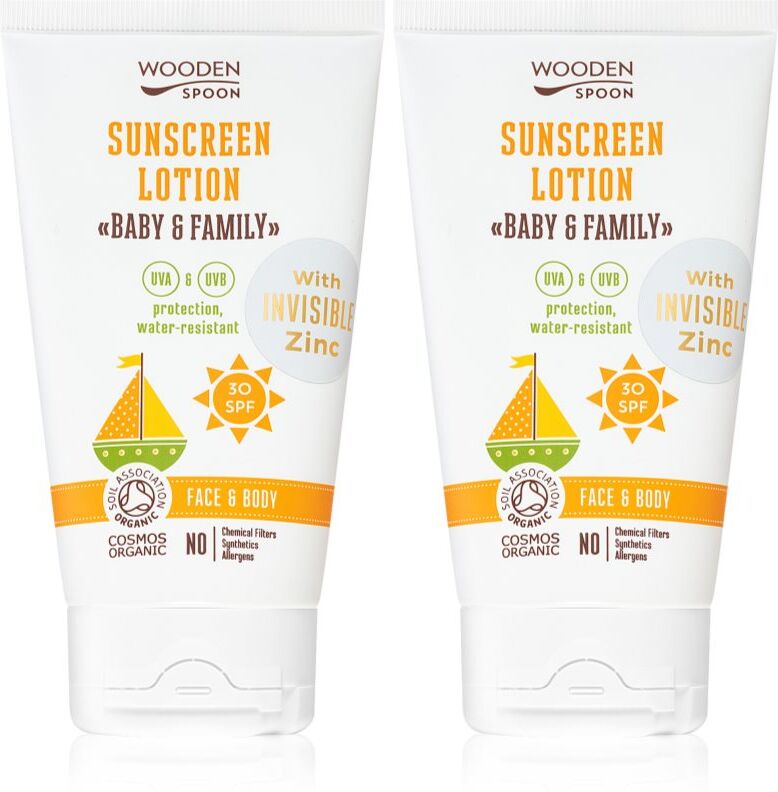
WoodenSpoon Baby & Family ensembleWoodenSpoon Baby & Family, 1 pcs, Produits solaires pour enfants pour femme, Découvrez un coffret pratique de produits qui embelliront votre quotidien. Le coffret WoodenSpoon Baby & Family facilite votre choix, en proposant une sélection de vos articles préférés, désormais réunis dans un seul et même emballage. L'ensemble contient: WoodenSpoon Baby & Family lait protecteur solaire SPF 30 2x150.00 ml Le produit : idéal pour les déplacements coffret à un prix avantageux protège contre les rayons UV nourrit et prend soin de la peau empêche l’assèchement de la peau protège contre les coups de soleil hydrate la peau de l’enfant s’utilise sur le corps et le visage s’absorbe facilement Composition du produit : beurre de karité – nourrit, aide à retenir l'humidité, apporte douceur et souplesse, offre une protection contre le dessèchement et les agressions extérieures vitamine E : nourrit la peau, lui procure une protection antioxydante contre le vieillissement prématuré et les dommages causés par les radicaux libres, contribue à lisser les rides et à rendre la peau plus ferme et plus souple cire d’abeille : crée une couche protectrice imperméable sur la peau, la rend ainsi durablement douce, apaisée, nourrie et protégée des agressions extérieures, l’humidifie, l’empêche de se déshydrater et de s’abîmer, accélère sa régénération huile de coco – contient une grande quantité d'antioxydants, aide à prévenir les rides et le vieillissement prématuré de la peau, nourrit intensément, assouplit et favorise l'hydratation, la régénération et l'apaisement de la peau beurre de cacao – est riche en acides gras, nourrit intensément, hydrate et favorise l'élasticité de la peau, crée une barrière protectrice empêchant la perte d'humidité, présente des effets lissants Mode d’emploi : Suivez les instructions indiquées sur l’emballage.39,20 €*Shipping: 3,45 €Secure redirect to the provider
-
Fun Factory Fun Cup A Coupe menstruelle Black Currant 20 mlFun Factory Fun Cup A, 20 ml, Coupes menstruelles Une solution confortable et écologique pour vous sentir à l'aise durant vos journées. Remplacez les produits sanitaires jetables par une coupe menstruelle pratique et utilisez-la Fun Factory Fun Cup A autant de fois que vous le souhaitez. Le produit : une alternative écologique aux produits d'hygiène féminine facile à placer facile à nettoyer convient pour un usage répété s'adapte à l'anatomie du corps adapté aux rapports sexuels pratiqués durant les menstruations coloré silicone entretien facile sachet en textile fourni Mode d’emploi : Suivre les instructions fournies dans le mode d’emploi. Rincez toujours abondamment à l'eau claire.2,70 €*Shipping: 3,45 €Secure redirect to the provider
-
What are demonstrative pronouns and relative pronouns?
Demonstrative pronouns are pronouns that are used to point to specific things or people. Examples of demonstrative pronouns include "this," "that," "these," and "those." Relative pronouns are pronouns that introduce dependent clauses and connect them to independent clauses. Examples of relative pronouns include "who," "whom," "whose," "which," and "that." **
-
Why are demonstrative pronouns called demonstrative pronouns?
Demonstrative pronouns are called demonstrative because they demonstrate or point to a specific noun or pronoun in a sentence. They help to indicate the position or location of the noun or pronoun in relation to the speaker or listener. By using demonstrative pronouns such as "this," "that," "these," and "those," speakers can make their communication more precise and clear by specifying which person, place, thing, or idea they are referring to. **
-
With which pronouns do many people confuse reflexive pronouns?
Many people confuse reflexive pronouns with personal pronouns. For example, they may use "myself" or "yourself" instead of "me" or "you" in a sentence. This confusion often occurs when people are trying to emphasize the subject of the sentence, but they mistakenly use a reflexive pronoun instead of a personal pronoun. It's important to understand the difference between reflexive and personal pronouns in order to use them correctly in sentences. **
-
What are pronouns?
Pronouns are words that are used in place of nouns to avoid repetition in a sentence. They can refer to people, places, things, or ideas. Pronouns help make sentences clearer and more concise by replacing specific nouns with general words like "he," "she," "it," "they," and "we." Using pronouns also helps to maintain the flow of writing and make it more engaging for the reader. **
Similar search terms for Pronouns
-
Fun Factory Diva DolphinFaites frémir vos sens avec le Diva Dolphin de Fun Factory. Compact, souple et prêt à suivre vos mouvements, ce vibromasseur mêle douceur et précision. Son design épuré attire l’œil. Et sa texture soyeuse glisse naturellement sur la peau.Souplesse et plaisir maîtrisé 🐬Le Diva Dolphin séduit par sa44,90 €*Shipping: 0,00 €Secure redirect to the provider
-
Secret Play Jeu Chronomasutra Play - HétéroSecouez les dés et laissez la passion décider. C’est simple, c’est joueur. Le Jeu Chronomasutra Play - Hétéro de Secret Play transforme chaque minute en un défi sensuel et complice. Ici, le plaisir se mesure au temps et à la créativité partagée.Un jeu pour les couples audacieux 💋Ce jeu coquin8,99 €*Shipping: 3,90 €Secure redirect to the provider
-
Secret Play Jeu Chronomasutra Play - GayFaites rouler les dés et laissez la passion décider. Simple, fun, immédiat. Avec le Jeu Chronomasutra Play - Gay de Secret Play, chaque lancer devient une promesse de plaisir partagé. Ce jeu taquin invite les couples à explorer des positions inspirées du Kamasutra tout en jouant avec le temps et la8,99 €*Shipping: 3,90 €Secure redirect to the provider
-
Can you help me with personal pronouns and possessive pronouns?
Certainly! Personal pronouns are used to replace nouns in a sentence, such as "I", "you", "he", "she", "it", "we", and "they". Possessive pronouns show ownership or possession, such as "mine", "yours", "his", "hers", "ours", and "theirs". If you need help understanding how to use these pronouns in a sentence or identifying which pronoun to use in a specific context, feel free to ask for more guidance. **
-
What is the difference between relative pronouns and interrogative pronouns?
Relative pronouns are used to connect a dependent clause to an independent clause, providing more information about a noun in the independent clause. They include words like "who," "which," and "that." Interrogative pronouns, on the other hand, are used to ask questions and gather information. They include words like "who," "what," "which," "whom," and "whose." The main difference between the two is their function in a sentence - relative pronouns connect clauses, while interrogative pronouns are used to ask questions. **
-
What is the difference between personal pronouns and reflexive pronouns?
Personal pronouns are used to refer to people or things, such as "I," "you," "he," "she," "it," "we," and "they." Reflexive pronouns, on the other hand, are used when the subject and object of a sentence are the same person or thing, such as "myself," "yourself," "himself," "herself," "itself," "ourselves," and "themselves." Reflexive pronouns are used to reflect the action back onto the subject, while personal pronouns simply refer to the subject or object. **
-
Which pronouns do many people often confuse with reflexive pronouns?
Many people often confuse reflexive pronouns with intensive pronouns. Intensive pronouns are used to emphasize a preceding noun or pronoun, while reflexive pronouns are used when the subject and object of a sentence are the same. For example, "I myself will do it" uses an intensive pronoun, while "I hurt myself" uses a reflexive pronoun. It is important to understand the distinction between these two types of pronouns to use them correctly in sentences. **
* All prices are inclusive of VAT and, if applicable, plus shipping costs. The offer information is based on the details provided by the respective shop and is updated through automated processes. Real-time updates do not occur, so deviations can occur in individual cases. ** Note: Parts of this content were created by AI.